



Public Tree Removal Register
During an inspection of any public tree, council will consider all factors relevant to the tree and site.
Where the removal involves three or more trees, Council acknowledges the significance of this action and provides a register of those trees.
View the Tree Removal Register
What is a public tree
Public trees are all trees located on land that is owned or managed by Cumberland City Council. Trees are situated within parks, reserves, bushland areas, streets and nature strips throughout the Local Government Area.
Why trees are important
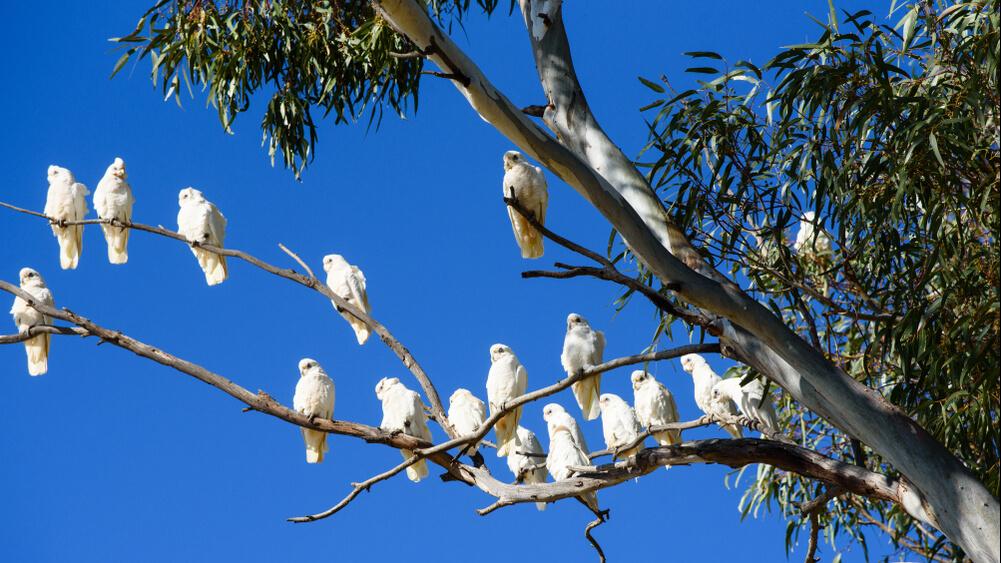
Trees are valuable natural assets that provide shade and help to cool our city, creating and maintaining native animal habitats and improve air quality. They play an important role in natural ecosystems, including reducing outbreaks of pests, protect fragile soils and prevent salinity problems.
Trees can also:
- Provide habitat for native animals
- Reduce the effects of urban heat
- Reduce airborne pollution
- Protect from soil erosion
- Reduce exposure to the sun and UV rays
- Improve physical, emotional and psychological wellbeing
- Create privacy and lessen noise
- Provide a connection to nature
- Reduce demand for energy
- Contribute to ecological biodiversity
- Beautify our streets and encourage us to get outside
Public tree management
Effective tree management focuses on managing the long-term viability of a tree through practices such as inspections, pruning to remove weak or dead branches and protecting their growing environment. Choosing species suited to the local environment and monitoring for pests or disease also helps ensure long-term stability.
However, tree removal becomes necessary when no sustainable solution exists for preserving the tree or surrounding area’s health or safety. Some factor to consider when assessing trees include:
- Healthy trees may conflict with buildings or other structures and become potentially hazardous to people, property and/or conflicts with infrastructure.
- Some trees may be classed as weeds or may simply compete with other elements in a landscape.
- Over-mature, damaged or diseased trees may deteriorate and can pose a risk to public safety.
In these cases, removal is considered a last resort and is accompanied by a replanting strategy in accordance with our Urban Tree Strategy 2020 (PDF, 4.22MB)
Lodge a tree related request
- Private tree - tree or vegetation removal
- Public tree - illegal removal
- Public tree - pruning and removal
Urban Tree Strategy 2020
Cumberland City’s Urban Tree Strategy provides a strategic and coordinated approach to managing Cumberland’s tree population. The Strategy provides a strategic and coordinated approach to managing Council’s tree population over 10 years and is supported by a short term action plan.
The objectives of the Urban Tree Strategy are to:
- increase community knowledge and appreciation of trees
- maintain and protect existing trees
- align with regional strategies to strengthen green corridor connections.
These objectives will be achieved by delivering actions in three key focus areas:
- Key Focus Area 1: Community Education and Engagement
- Key Focus Area 2: Maintain, Protect and Increase Existing Tree Canopy
- Key Focus Area 3: Strategic Planning and Innovation
To know more, download the Urban Tree Strategy 2020 (PDF, 4.22MB)
Tree management
What kind of trees can I plant in Cumberland
The following Tree Species List recommends species to be grown in Cumberland City.
Can I prune or remove my private tree
For many ‘woody’ trees that are over 3.6 metres high, you’ll need Council’s written approval before removing or pruning them.
This especially applies to native trees. Some other trees, such as non-natives or trees growing close to buildings may be on exception.
You will need to lodge a Tree Works Application (PDF, 210KB) prior to commencing works
Tree management forms
- Tree Works Application (PDF, 210KB)
- Tree Species List (PDF, 432KB)
- Qualified Arborist List (PDF, 215KB)
Further information
For more information contact Council on 8757 9000.